
When Do You Need Commercial Auto Insurance
Any time your business uses vehicles, the risks are different than personal driving. Commercial auto insurance protects vehicles used for business purposes, whether for delivering goods, visiting job sites, carrying tools or equipment, or employees driving on behalf of the business.

Personal auto policies usually don’t cover vehicles used for business, leaving your company exposed if an accident occurs during work-related driving.
Common situations where commercial auto coverage is needed include:
- Vehicles titled to your business
- Pickups, vans, or service vehicles used for work
- Employees driving company vehicles
- Personal vehicles regularly used for business purposes
Understanding how commercial auto insurance works is the first step to protecting your business vehicles and the people who operate them. Let’s take a closer look at what this coverage actually is and how it applies to your business.
Unlike personal auto insurance, which follows the vehicle, commercial auto insurance follows the driver. If someone not employed by your business drives a company vehicle, they usually aren’t covered, highlighting the importance of limiting use to authorized drivers.
What is Commercial Auto Insurance
Commercial auto insurance protects the vehicles your business uses and the people who drive them. At a minimum, it provides liability coverage, which is required to cover bodily injury or property damage caused by your business vehicles.
To make it easier to think about, I generally divide commercial auto insurance into two groups:
Business & Contractor
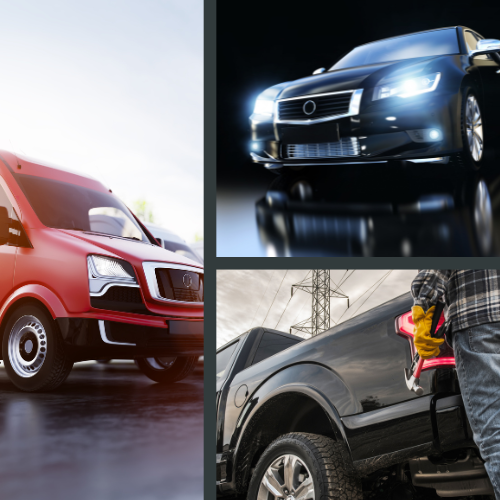
Ideal for small businesses using cars, vans, or light trucks for deliveries, sales calls, or other daily operations.
Heavy Truck & Trailers
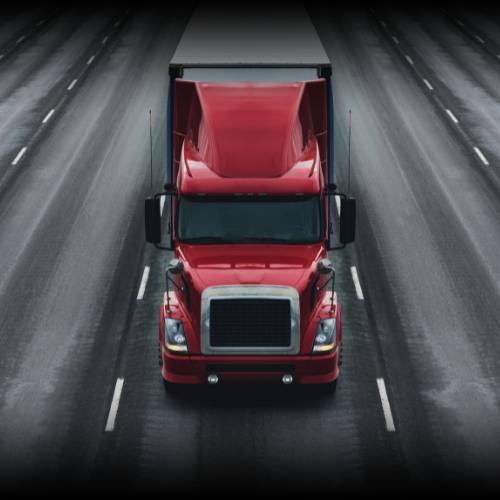
Perfect for businesses with large or heavy-duty trucks like semis or dump trucks and cement trucks but not mobile equipment
The risks faced by business vehicles are different from those of personal vehicles. Business vehicles often carry tools, equipment, or products, make frequent stops, or travel longer distances than a typical personal car. Drivers may also transport passengers or perform specialized tasks on the job.
Commercial auto insurance addresses these risks through specific coverage forms identified by symbols. Choosing the correct symbol for each vehicle is critical, as it determines what types of coverage apply and ensures your business is properly protected. For example, if any of your employees use their personal vehicles for business purposes, your business could be held liable if they are at fault in an accident. Properly assigning coverage symbols helps make sure these situations are accounted for in your policy.
While commercial auto coverages are similar to a personal auto policy, the differences lie in who is covered and which vehicles are included. These details are unique to each business and can affect how a policy is structured. A one-on-one discussion with one of our agents is the best way to ensure your business has the right protection. See how our process works below.
Here’s How it Works
Getting the right commercial auto coverage for your business can feel complicated, but it doesn’t have to be. We break it down into four straightforward steps:
Step 1: Needs Assessment
The process begins with a conversation about your business. Together, we’ll explore:
- What types of vehicles your business uses
- Who drives them
- How they are used in your operations
- Whether you rent or borrow vehicles for business purposes
By discussing your business with us, we can design a coverage plan that fits your operations perfectly, helping protect your vehicles, your drivers, and your bottom line.
Step 2: Vehicle Details
Next, we gather information about each vehicle in your fleet: make, model, VIN, and usage. We also review details about your drivers, including any endorsements and driving history.
This step guarantees that all your vehicles and drivers have the right protection while uncovering ways to save on your insurance costs.
Step 3: Coverage Selection
By collecting information about your drivers, we make sure every driver is properly covered and uncover opportunities to reduce risk and potentially save on your insurance.
Step 4: Receive Your Quote
Finally, we provide a personalized quote tailored to your business, clearly showing your coverage options and costs. This ensures you understand exactly how your business is protected, giving you confidence and peace of mind.
Frequently Asked Questions (FAQ’s)
When you have questions we find answers
Q: Is commercial auto insurance required for all businesses?
A: Only vehicles used for business purposes require commercial auto insurance. Personal vehicles used occasionally for business may not need a commercial policy, but it’s best to confirm with an agent.
Q: How is commercial auto insurance different from personal auto insurance?
A: Coverage types like liability are similar, but commercial policies are designed to cover business vehicles, multiple drivers, and varying uses. Who and what is covered can differ significantly from a personal policy.
Q: What types of vehicles can be insured?
A: From cars and vans to pickup trucks and heavy-duty vehicles, any vehicle used for business operations can be included. Coverage may vary based on the type of vehicle and its intended use.
Q: Who is covered under a commercial auto policy?
A: Coverage applies to the business itself, employees driving for business purposes, and other authorized drivers, depending on the policy structure and vehicles insured.
Q: Can I insure rented or borrowed vehicles?
A: Yes, many policies can extend coverage to vehicles temporarily rented or borrowed for business use.
Q: What happens if my business uses multiple drivers or vehicles?
A: Commercial auto insurance can be structured to cover an entire fleet of vehicles and all employees who drive them for business purposes.
Q: How do I know what coverage and limits are right for my business?
A: The best approach is a discussion with an agent, who can evaluate your operations, vehicles, and risks to recommend the appropriate coverage and limits.
Resources
Commercial Auto Insurance
Armor Insurance Agency – Get in Touch!

Call: (406) 416-1096